Why Your Hair Is Getting Thinner Even Without Hair Loss (2026 Guide)
Quick Answer: Your hair can become thinner even if you aren’t losing more hair than usual. Heat styling, hair breakage, aging, hormonal changes, poor nutrition, stress, scalp buildup, and inconsistent hair care can all make hair appear finer, flatter, and less dense. A healthy scalp and a consistent hair care routine can help improve the appearance of fuller, healthier-looking hair.
Introduction
Have you looked in the mirror recently and wondered why your ponytail feels smaller or why your hair doesn’t look as full as it used to? If you’re not noticing excessive hair shedding, this can be confusing.
The good news is that thinner-looking hair doesn’t always mean you’re experiencing significant hair loss. In many cases, your hair is still growing normally, but everyday damage, poor scalp health, breakage, or changes in hair texture can make it appear thinner over time.
If you’re searching for answers to why your hair is getting thinner even without hair loss, this guide explains the most common causes and practical steps you can take to maintain healthier-looking, stronger hair.
Can Hair Become Thinner Without Hair Loss?
Yes. Hair density and hair thickness are not the same thing.
You may have the same number of hair strands, but each strand becomes finer, weaker, or more fragile over time. This makes your hair appear less voluminous even though you aren’t losing significantly more hair than usual.
Many women notice this change gradually and assume they are experiencing hair loss when the real issue is hair breakage, dryness, or changes in hair texture.
1. Hair Breakage Makes Hair Look Thinner
One of the most common reasons hair appears thinner is breakage.
Hair may continue growing from the scalp, but if strands repeatedly snap before reaching their full length, your hair will naturally look less full.
Common causes of breakage include:
- Frequent heat styling
- Dry hair
- Skipping conditioner
- Aggressive brushing
- Tight hairstyles
- Chemical treatments
If breakage is affecting your hair, read our guide on How to Stop Hair Breakage Naturally.
2. Heat Styling Weakens Hair Over Time
Blow dryers, flat irons, and curling irons expose your hair to repeated high temperatures.
Over time, this can leave strands:
- Drier
- More brittle
- Less elastic
- More likely to split
- More likely to break
Always apply heat protection before styling.
The Grow Glam Leave-In Conditioner with Heat Protection helps protect hair while improving softness and manageability.
3. Your Scalp May Need More Attention
Healthy-looking hair begins with a healthy scalp.
Excess oil, product buildup, dryness, or irritation can affect how your hair looks and feels.
A consistent scalp care routine helps create the ideal environment for maintaining stronger-looking hair.
Start by using a gentle cleanser such as the Grow Glam Hair Growth Volumizing Shampoo, which helps remove buildup while maintaining moisture balance.
You can also learn more in our guide to The Best Scalp Care Routine for Hair Growth.
4. Hormonal Changes Can Affect Hair Thickness
Hormonal changes are a common reason many women notice thinner-looking hair.
Changes associated with aging, pregnancy, menopause, thyroid conditions, and other hormonal shifts may affect the appearance and texture of hair.
If your hair changes suddenly or dramatically, consider discussing your concerns with a qualified healthcare professional.
5. Aging Naturally Changes Hair Texture
As we age, individual hair strands often become finer than they were in our twenties.
This gradual change is normal for many people and may make the scalp more visible even if overall hair growth remains relatively stable.
While aging cannot be stopped, maintaining healthy hair habits helps support stronger, healthier-looking hair throughout every stage of life.
6. Poor Nutrition Can Affect Hair Health
Your hair depends on your overall health.
A balanced diet provides nutrients that support normal hair structure and overall wellness.
Focus on foods rich in:
- Protein
- Iron
- Omega-3 fatty acids
- Zinc
- Vitamin D
- Vitamin C
- Biotin-containing foods
Staying hydrated also helps maintain healthier-looking hair and scalp.
7. Product Buildup Can Flatten Your Hair
Sometimes your hair only appears thinner because heavy styling products, dry shampoo, or excess oil weigh it down.
Signs of buildup include:
- Hair feels heavy.
- Hair loses volume quickly.
- Scalp becomes greasy soon after washing.
- Hair looks dull.
- Products no longer perform well.
Regular cleansing helps restore freshness and volume while supporting your overall hair care routine.
8. Stress Can Affect the Appearance of Your Hair
Stress affects many parts of the body, including your hair. During periods of emotional or physical stress, some people notice changes in hair texture, manageability, or overall fullness.
While occasional stress is unavoidable, maintaining healthy daily habits can help support your overall well-being and hair health.
Simple ways to reduce stress include:
- Getting enough sleep each night.
- Exercising regularly.
- Practicing meditation or deep breathing.
- Taking regular breaks from work.
- Following a consistent self-care routine.
Even spending a few minutes massaging your scalp with the Grow Glam Rechargeable Scalp Massager can become part of a relaxing weekly routine.
9. Tight Hairstyles Can Make Hair Appear Thinner
Frequently wearing tight ponytails, buns, braids, or extensions places constant tension on your hair.
Over time this repeated pulling may increase breakage and make your hair appear thinner around the hairline and crown.
Instead, choose loose hairstyles whenever possible and alternate your styles throughout the week to reduce unnecessary tension.
10. An Inconsistent Hair Care Routine
Many people expect noticeable improvements after using a hair oil or shampoo only a few times.
Healthy-looking hair develops through consistency, not quick fixes.
A complete routine should include:
- Gentle cleansing with a sulfate-free shampoo.
- Conditioning after every wash.
- Using a lightweight hair oil two or three times per week.
- Applying heat protection before styling.
- Regular scalp massage.
- Limiting excessive heat styling.
Consistency is one of the most important habits for maintaining healthier-looking hair.
How to Make Thin Hair Look Fuller Naturally
Although you cannot instantly change your natural hair thickness, you can improve the appearance of fuller hair with a healthy routine.
Simple habits include:
- Choose volumizing hair care products.
- Keep your scalp clean.
- Reduce breakage by minimizing heat damage.
- Trim split ends regularly.
- Sleep on a satin pillowcase.
- Stay hydrated.
- Eat a balanced diet.
A Simple Hair Care Routine for Thinner-Looking Hair
| Step | Recommended Routine |
|---|---|
| Cleanse | Grow Glam Hair Growth Volumizing Shampoo |
| Condition | Grow Glam Volumizing Conditioner |
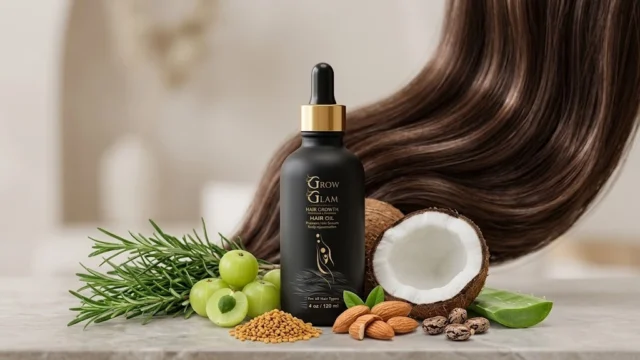
| Weekly Oil Treatment | Grow Glam Hair Growth Oil |
| Heat Protection | Grow Glam Leave-In Conditioner |
| Scalp Massage | Grow Glam Rechargeable Scalp Massager |
When Should You See a Healthcare Professional?
Gradual thinning can be part of normal aging, but sudden or significant changes deserve professional evaluation.
Consider seeking medical advice if you notice:
- Sudden hair thinning.
- Large patches of hair loss.
- Persistent scalp pain or inflammation.
- Excessive daily shedding.
- Hair changes following illness or medication.
A healthcare professional can help determine whether an underlying condition is contributing to these changes.
Final Thoughts
If your hair looks thinner even though you aren’t experiencing noticeable hair loss, don’t panic. Hair breakage, heat damage, scalp buildup, hormonal changes, stress, aging, and inconsistent hair care can all affect how full your hair appears.
The best long-term approach is to focus on scalp health, gentle cleansing, proper conditioning, regular hair oil treatments, and protecting your hair from everyday damage.
To build a complete routine, explore the Grow Glam Hair Care Collection. Pair our Hair Growth Oil, Volumizing Shampoo, Volumizing Conditioner, and Leave-In Conditioner with Heat Protection to support healthier-looking, stronger, and fuller-looking hair.
Frequently Asked Questions
Can hair become thinner without hair loss?
Yes. Hair strands can become finer because of breakage, aging, hormonal changes, heat damage, or poor hair care, making hair appear thinner even without excessive shedding.
Why does my hair feel thinner but I’m not losing more hair?
Changes in hair texture, strand diameter, and breakage can make your hair feel less full even when your normal hair growth cycle remains unchanged.
Can stress make hair look thinner?
Yes. Stress may affect your hair’s appearance and overall condition, making healthy lifestyle habits an important part of long-term hair care.
Does hair oil make hair thicker?
Hair oil helps improve softness and reduce dryness, but it works best as part of a complete hair care routine rather than as a standalone solution.
What shampoo is best for thin hair?
A gentle volumizing shampoo that cleanses without stripping moisture is often the best choice for maintaining healthier-looking hair.
How often should I use hair oil?
Many people use a lightweight hair oil two to three times each week, depending on their hair type and the product instructions.
Can heat styling make hair look thinner?
Yes. Frequent heat styling can increase breakage and dryness, making hair appear thinner over time.
How can I naturally make my hair look fuller?
Following a consistent routine that includes scalp care, gentle cleansing, conditioner, lightweight hair oil, heat protection, and healthy daily habits can improve the appearance of fuller, healthier-looking hair.