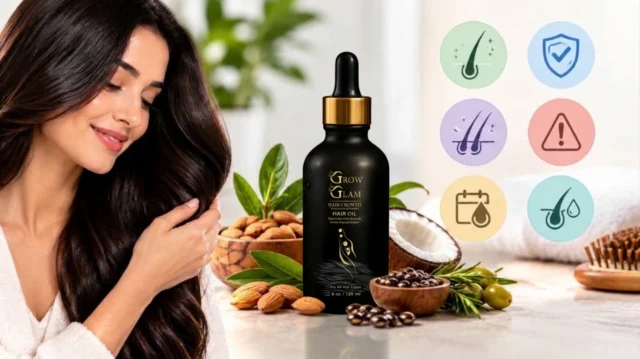
Have you ever wondered whether applying hair growth oil every day will help your hair grow faster? You are not alone. Many people use hair oil to manage dryness, reduce the appearance of frizz, and keep their scalp and hair feeling healthy. However, using more oil does not automatically mean better results.
The right routine depends on your scalp type, hair texture, the ingredients in your oil, and how your hair responds. For some people, frequent oiling works well. Others may experience greasy roots, product buildup, itching, or irritation if they apply oil too often.
In this guide, you will learn whether daily hair growth oil is a good idea, its potential benefits and risks, and how to create a routine that works for your hair. We will also explain how to combine hair oil with shampoo, conditioner, and other hair care products for a more balanced routine.
Can You Use Hair Growth Oil Every Day?
Yes, some people can use hair growth oil every day, but daily application is not necessary for everyone. The best frequency depends on the formula, the amount you apply, and whether you put it on your scalp or along your hair lengths.
For example, people with dry hair may benefit from applying a small amount of suitable oil to their hair lengths. On the other hand, people with oily scalps or product buildup may prefer using scalp oil less frequently and washing their hair as needed.
It is also important to understand that hair oil is not a guaranteed treatment for hair loss. Certain oils can help condition hair and reduce friction-related breakage, making hair look smoother and healthier. However, evidence that cosmetic oils directly stimulate new hair growth is limited and varies by ingredient.
The bottom line: You can use hair growth oil daily if the product directions allow it and your scalp tolerates it. Still, starting with two or three applications per week is a sensible way to see how your hair responds.
5 Potential Benefits of Using Hair Growth Oil
1. Helps Condition Dry Hair
Dry hair can feel rough, look dull, and become difficult to manage. Depending on its formulation, hair oil can help coat the hair shaft, improve softness, and reduce the feeling of dryness.
Oils containing ingredients such as coconut, jojoba, almond, or olive oil can provide conditioning benefits. However, every formula is different, so choose one that suits your hair rather than assuming all oils will produce the same results.
2. May Help Reduce Hair Breakage
Hair breakage can make it seem as though your hair is not growing. In reality, your hair may be growing from the roots but breaking before it reaches your desired length.
Some oils can reduce friction and help make strands easier to detangle. When combined with gentle brushing, less heat styling, and suitable conditioning products, this may help reduce breakage.
If breakage is a concern, consider using a lightweight leave-in conditioner after washing. It can help improve manageability and reduce friction while combing.
3. Makes Hair Look Smoother and Shinier
Hair that lacks moisture or has a rough surface can appear frizzy and dull. A small amount of oil applied to the lengths and ends may help smooth the appearance of flyaways and add shine.
For best results, start with a few drops and spread the oil evenly. Applying too much can make your hair look greasy instead of glossy.
4. Supports a Consistent Hair Care Routine
A regular routine makes it easier to understand what works for your hair. Using a suitable oil at a consistent frequency allows you to monitor changes in softness, manageability, and breakage.
For example, you could apply oil before washing on selected days, use shampoo to cleanse your scalp, and follow with conditioner. On other days, you might use a tiny amount on dry ends if your hair needs extra smoothing.
5. Can Help Protect Hair Lengths During Styling
Some oils may reduce friction between hair strands, which can help limit mechanical damage during detangling and styling. However, ordinary hair oil should not automatically be treated as a heat protectant.
If you use a blow dryer, flat iron, or curling tool, choose a product specifically formulated for heat protection. A dedicated heat protection leave-in conditioner can be a useful part of your styling routine when used according to its instructions.
What Are the Risks of Using Hair Growth Oil Every Day?
Daily oiling is not suitable for everyone. Using too much oil or applying it to a scalp that does not tolerate the formula may create problems.
1. Greasy Roots and Product Buildup
Applying oil every day can leave some scalps feeling greasy, especially when the oil is heavy or the amount is excessive. Product residue may also build up when hair is not cleansed adequately.
What to do: Reduce the amount you use, apply oil less frequently, and wash your hair with a suitable shampoo when needed.
2. Itching or Scalp Irritation
Some ingredients, including fragrances and essential oils, can irritate sensitive skin or trigger allergic contact dermatitis. Redness, burning, itching, or a rash after applying oil may indicate that the product does not suit you.
What to do: Stop using the product if irritation develops. Avoid applying it to broken or inflamed skin, and seek medical advice if symptoms persist or become severe.
3. Flakes or Worsening Scalp Symptoms
If you have dandruff or an inflammatory scalp condition, applying oil frequently may not address the underlying cause and could make symptoms worse for some people.
What to do: Use a shampoo appropriate for your scalp concerns. If flaking, redness, or itching continues, consult a dermatologist instead of relying on hair oil alone.
4. Hair May Look Flat or Feel Heavy
Fine hair can lose volume quickly when coated with rich oils. As a result, your roots may look flat even if your hair lengths feel soft.
What to do: Use a lightweight formula, apply a small amount to the ends, and avoid putting excess product near the roots.
5. Delaying the Right Treatment for Hair Loss
Hair thinning can happen for several reasons, including genetics, hormonal changes, nutritional deficiencies, certain illnesses, and scalp conditions. Hair oil alone may not address the cause.
If you notice sudden shedding, widening part lines, bald patches, or persistent thinning, consult a healthcare professional. An accurate diagnosis can help you choose an appropriate treatment rather than spending months relying only on cosmetic products.
How Often Should You Apply Hair Growth Oil?
There is no single schedule that works for everyone. Use the product label as your starting point and adjust based on your scalp condition and hair texture.
| Hair or Scalp Type | Possible Starting Routine | Helpful Tip |
|---|---|---|
| Dry or coarse hair | Two or three times per week | Focus on dry lengths and ends if your scalp is sensitive. |
| Fine or easily greasy hair | Once or twice per week | Start with a small amount and avoid heavy application at the roots. |
| Oily scalp | Occasional use, if tolerated | Prioritize regular cleansing rather than daily scalp oiling. |
| Curly or textured hair | Adjust to dryness and product needs | Use enough to support manageability without creating buildup. |
| Sensitive or irritated scalp | Avoid until the cause is understood | Choose professional guidance if irritation or inflammation persists. |
These are starting points, not medical rules. Your ideal schedule may be different depending on the ingredients, your washing routine, and how your hair responds.
How to Use Hair Growth Oil Correctly
Step 1: Check the Product Instructions
Before applying any oil, read the label. Some products are designed for use before shampooing, while others can be applied in small amounts without rinsing. Follow the specific directions rather than assuming every oil works the same way.
Step 2: Start With a Small Amount
More oil does not mean faster growth. Begin with a small amount and add more only if needed. Heavy application can leave your scalp greasy and make washing more difficult.
Step 3: Apply It Where It Is Needed
If your main concern is dry ends, focus on the lengths rather than coating your entire scalp. If the product is specifically designed for scalp use, follow its application directions and avoid aggressive rubbing or scratching.
Step 4: Be Gentle When Massaging
If the instructions recommend scalp massage, use your fingertips and gentle circular movements. Avoid scratching with your nails or pulling on your hair. Massage can feel relaxing, but it should not be presented as a guaranteed way to regrow hair.
Step 5: Wash When Necessary
Pre-wash oils should be rinsed out according to the product instructions. Use shampoo to remove excess oil and follow with conditioner to improve softness and detangling.
For more guidance, read our related article on choosing the right hair growth oil and explore the Grow Glam hair care collection to find products that fit your routine.
Can You Use Hair Growth Oil Overnight?
Some hair oils can be left on overnight when their instructions allow it and your scalp tolerates them. However, overnight application is not automatically more effective than using oil for a shorter period.
If you have a sensitive scalp, experience itching, or are prone to buildup, leaving oil on overnight may be uncomfortable. Start with the recommended application time and stop using the product if you notice irritation.
Protect your pillowcase if needed, and wash the oil out when the product directions call for it. Most importantly, do not leave a product on longer than recommended in the hope of getting faster results.
How to Combine Hair Oil With Shampoo and Conditioner
A balanced routine involves more than applying oil. Each product serves a different purpose, so using them in a suitable order can help keep your hair clean, manageable, and less prone to breakage.
- Hair oil: If it is a pre-wash treatment, apply it as directed before shampooing.
- Shampoo: Cleanse your scalp to remove excess oil, sweat, and product residue.
- Conditioner: Apply to the lengths and ends as directed to improve softness and detangling.
- Leave-in conditioner: If needed, apply after washing according to the label for extra manageability.
- Heat protectant: Before heat styling, use a product specifically designed to protect hair from heat.
You do not need to use every product at every wash. Choose products based on your hair’s needs, and introduce new products gradually so you can identify what works for you.
How Long Does Hair Growth Oil Take to Work?
The answer depends on what you expect the oil to do. Hair may feel softer or look shinier after an application, while reducing breakage requires consistent care over time.
Visible hair length changes are gradual because scalp hair grows slowly. Results also depend on genetics, health, the cause of hair concerns, and how well you protect your hair from damage.
Be cautious of products promising dramatic regrowth in a few days or guaranteeing results for everyone. Cosmetic oils can support hair conditioning, but they are not substitutes for medical treatment when hair loss has an underlying cause.
Is Grow Glam Hair Growth Oil Right for Your Routine?
Choosing a hair oil starts with understanding your needs. If your hair feels dry, looks frizzy, or needs extra conditioning, look for a formula that suits your hair texture and scalp.
Grow Glam Hair Growth Oil features a blend of oils and other ingredients, including sweet almond, jojoba, soybean, olive, castor, coconut, fenugreek, rosemary, vitamin E, aloe, amla, hibiscus, and black seed. Individual ingredients have different cosmetic properties, and the effects of the complete formula depend on its concentration and how it is used.
Before adding any new product to your routine, check the full ingredient list and follow the product directions. If your scalp is sensitive, test the product on a small area first and discontinue use if irritation occurs.
Explore the Grow Glam hair care range to build a routine that may include hair oil, shampoo, conditioner, and leave-in care. The goal is to keep your scalp comfortable, improve manageability, and protect your hair from avoidable damage—not to assume that using more products will automatically make hair grow faster.
Final Thoughts
So, can you use hair growth oil every day? Yes, if the formula is suitable for you and your scalp tolerates it, but daily application is not essential for healthy-looking hair. For many people, using oil a few times per week or applying a small amount to dry ends is enough.
Pay attention to your scalp, avoid excessive application, cleanse your hair when needed, and use conditioner to support softness and manageability. If you are experiencing unexplained or persistent hair loss, seek professional advice to identify the cause.
A consistent, balanced hair care routine is more useful than simply applying oil more often. Choose products that meet your needs and give your routine time to work.
Frequently Asked Questions
1. Is it safe to use hair growth oil every day?
It may be safe for some people, depending on the ingredients and product directions. However, daily use can cause greasy roots, buildup, or irritation for others. Start with less frequent use and monitor your scalp.
2. Does applying hair oil daily make hair grow faster?
No, daily oiling is not proven to make hair grow faster. Some oils can condition hair and may help reduce breakage, but they do not guarantee new hair growth or treat every cause of hair loss.
3. Should I apply hair growth oil to wet or dry hair?
It depends on the product. Some oils are intended for dry hair before washing, while others can be used on damp or dry lengths. Always follow the product instructions.
4. Can I leave hair growth oil on overnight?
You can leave certain oils on overnight if the label permits it and your scalp tolerates them. Overnight use is not automatically more effective, and you should stop if irritation occurs.
5. How many times a week should I use hair growth oil?
Two or three times per week can be a reasonable starting point for some people, but the right frequency depends on hair texture, scalp oiliness, and the product formula. Fine or oily hair may need less frequent application.